Blog

From Data to Decisions:  How Wearables and AI areTransforming Clinical Care and Longevity.

by Shakhlokhon Nurmatova (June, 2025)

The digital health revolution is no longer a distant vision – it’s reshaping the healthcare landscape right now. With the surge in wearable technologies and the growing sophistication of artificial intelligence (AI), providers are rethinking how care is delivered. The new frontier is proactive, personalized, and preventive care, and success depends on how well clinicians, health systems, and innovators harness these tools to improve real-world outcomes.

The Wearables Surge: Real-Time, Real Impact.

Global market for wearable medical devices is expected to exceed $60 billion by 2028, reflecting rising demand for real-time, continuous health monitoring. From smartwatches and fitness trackers to continuous glucose monitors (CGMs) and biosensor patches, these tools now capture detailed physiological data: heart rate variability, oxygen saturation, sleep cycles, stress levels, skin temperature, and more.

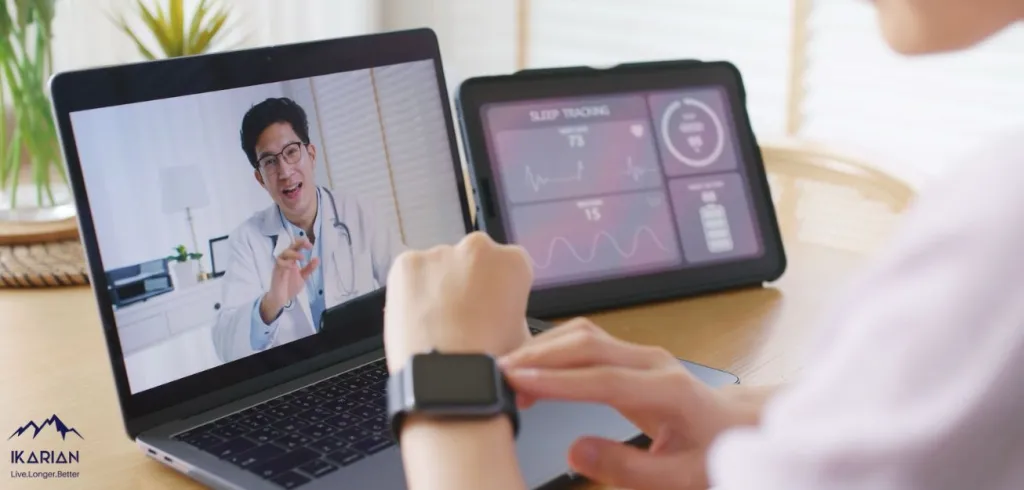
These aren’t just step counters anymore. Many devices now use built-in AI to detect trends, flag abnormalities, and deliver personalized insights. They function more like intelligent health companions than passive monitors – and their ability to reduce hospitalizations, detect early warning signs, and support chronic disease management is drawing serious attention. 

AI in Healthcare: From  Efficiency to Early Detection 

AI is already transforming clinical workflows in several high-impact ways: 

Clinical Decision Support: AI models trained on millions of patient records can assist in diagnosing conditions, recommending treatment pathways, or surfacing overlooked drug interactions. 

Natural Language Processing (NLP): Automates medical documentation, streamlining clinician workloads and freeing up time for patient care. 

Predictive Analytics: Risk stratification tools powered by AI can predict hospital readmissions, disease progression, or clinical deterioration before symptoms manifest. 

When combined with real-time wearable data, these AI tools become even more powerful. Biosensor inputs feed dynamic, personalized risk models, enabling earlier interventions and more precise, adaptive care strategies. 

Evidence-Based Applications Are Emerging 

Clinical studies increasingly support the role of wearables and AI in improving care: 

Cardiology: The Apple Heart Study (NEJM, 2019) demonstrated the Apple Watch’s potential to detect atrial fibrillation. While promising, the study also raised questions about false positives and user follow-up. 

Diabetes Management: CGMs integrated with mobile platforms have been shown to improve glycemic control and reduce acute events in both Type 1 and Type 2 diabetes. 

Postoperative Care: At Cedars-Sinai, wearable data helped reduce length of stay and complications among surgical patients, with measurable reductions in cost. 

Seizure Monitoring: FDA-cleared devices like Empatica’s Embrace2 now offer real-

time seizure detection, improving caregiver response time and patient safety.

However, many commercially available tools still fall into a “wellness” gray area, lacking full clinical validation or regulatory approval. This limits adoption in formal care settings, and underscores the need for stronger evidence and clearer oversight. 

Barriers to Widespread Adoption

Even with growing interest, providers face persistent challenges: 

Integration with EHRs (electronic health records): Wearable data often lives in silos, making it hard to incorporate into clinical decision-making. 

Data Noise: Without AI-enabled triage and filtering, clinicians can be overwhelmed by unstructured streams of raw health data. 

Reimbursement Uncertainty: Many remote monitoring services lack standard billing codes or payer support, slowing adoption when considering payed health systems. 

Privacy & Consent: Many wearables operate outside HIPAA, raising concerns over data sharing and patient consent. 

Health Equity: Tech-driven tools often skew toward affluent, digitally connected populations, potentially widening care gaps. 

Building for Trust, Value, and  Scalability 

To move from innovation to implementation, health tech must be designed for clinical realities: 

Validated Impact: Tools must go beyond novelty to demonstrate measurable 

improvements in health outcomes. 

Workflow Compatibility: Seamless integration with EHRs and clinical routines is critical. 

Inclusive Design: Solutions must be intuitive and usable across diverse populations and levels of digital literacy. 

Ethical Governance: Transparent data practices and consent protocols must be foundational, not optional. 

The Future: From Healthspan to Lifespan

We’re entering a new era of precision longevity. Imagine a future where AI-powered wearables detect early markers of metabolic dysfunction, enabling dietary changes months before lab tests would. Or where mental health declines are spotted via subtle biometric changes, prompting early intervention. 

These aren’t distant hypotheticals—they’re real use cases emerging now. The convergence of AI and wearables is poised to shift care from reactive to predictive and proactive. From short-term treatment to long-term vitality. 

Ikarians: Building the  Infrastructure for Proactive  Health 

At Ikarians, we’re creating the digital infrastructure to support this transformation. Our platform integrates wearable data, behavioral insights, and personalized guidance to turn continuous monitoring into meaningful action. 

We empower users with tools to understand their bodies, optimize their lifestyles, and proactively manage risk. By translating streams of biometric data into actionable insights, we’re helping people extend their healthspan and enhance their quality of life. 

We’re not just tracking steps or symptoms. We’re helping people step into a future where longevity is proactive, not passive—and where technology serves the goal of healthier, longer lives.


References

∙Boston Consulting Group (2025): “Digital & AI Solutions Reshape Health Care”∙Moldstud Technologies: “The Benefits of Integrating Wearables into Health App Development” 

∙Perez, M.V., et al. (2019): Apple Heart Study, New England Journal of Medicine.

∙Cedars-Sinai & Fitbit: Wearables in Surgical Recovery Pilot 

∙Empatica Embrace2: FDA Seizure Monitoring Clearance 

∙WHO Digital Health Guidelines 

∙FDA Digital Health Innovation Action Plan